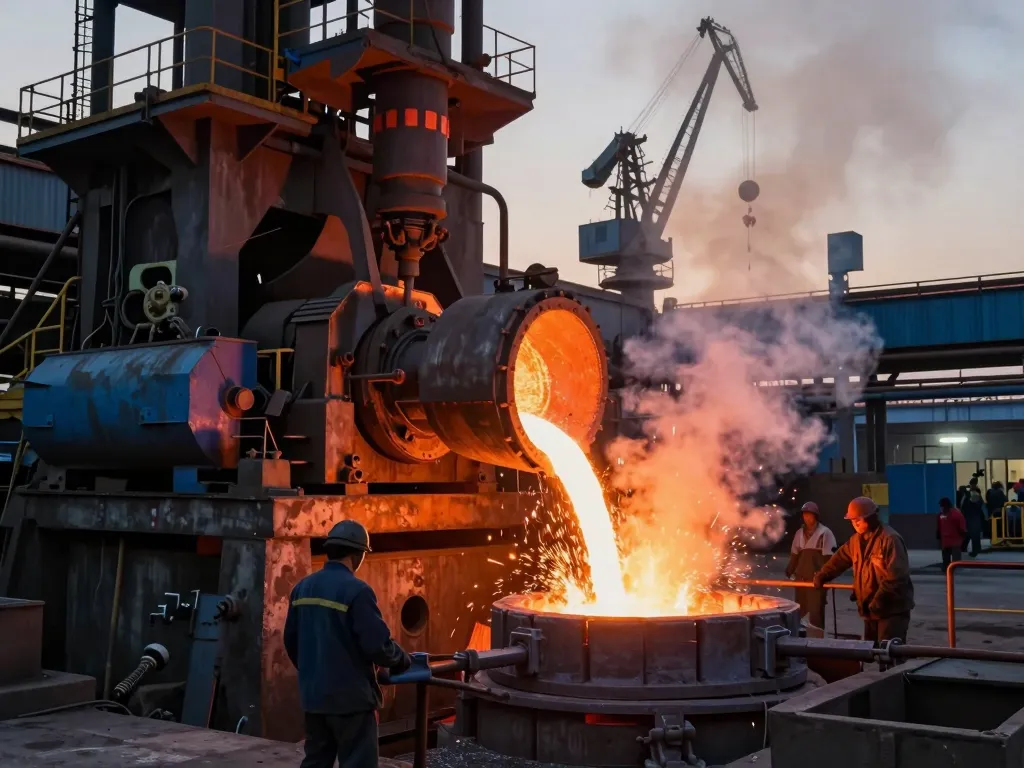
Overview of Industrial Engineering Consulting in North America
Industrial engineering consulting in North America plays a critical role in optimizing processes and improving efficiency across various sectors. This field not only focuses on enhancing productivity but also emphasizes the importance of safety, quality, and sustainability. As industries evolve and face new challenges, the demand for qualified consultants like Little P.Eng. for Engineering Services, equipped with extensive expertise across Canada and the United States, continues to rise. When exploring options, Industrial Engineering Consultant North America offers comprehensive insights into multifaceted engineering challenges.
History and Evolution of Industrial Engineering
The discipline of industrial engineering has undergone significant transformation since its inception in the early 20th century. Initially focused on optimizing labor productivity, it has expanded to incorporate advancements in technology, data analytics, and systems engineering. Pioneers such as Frederick Taylor laid the groundwork for time and motion studies, which are still relevant today. Over decades, this field evolved to address complexities arising from globalization, technological innovation, and environmental concerns, leading to the multidisciplinary approach prevalent in modern industrial consulting.
Current Landscape of Engineering Consulting
Today, the landscape of engineering consulting is characterized by a diverse array of services and specialties. Firms now engage in collaborative projects across various industries such as energy, healthcare, and manufacturing. The integration of technologies like the Internet of Things (IoT), artificial intelligence (AI), and big data analytics has also reshaped the consulting field. These innovations enable engineers to conduct real-time analysis and create data-driven solutions that improve operational efficiency.
Key Players in the Industrial Engineering Sector
The industrial engineering sector boasts numerous key players, including both established firms and emerging startups. Major companies provide extensive services across multiple engineering disciplines, often leveraging their capabilities to meet client-specific needs. Additionally, regionally focused firms like Little P.Eng. Engineering are essential in delivering localized solutions, offering tailored expertise in areas such as piping stress analysis, seismic design, and bulk material handling.
Core Services of Industrial Engineering Consultants
Industrial engineering consultants offer a wide range of services that address various client needs and challenges. By integrating technical knowledge with practical experience, these professionals ensure that engineering solutions not only meet regulatory requirements but also align with industry best practices.
Piping Stress Analysis Techniques
Piping stress analysis is a critical service offered by industrial engineering consultants, particularly in sectors like oil and gas, chemical processing, and power generation. Utilizing advanced software tools such as CAESAR II and AutoPIPE, consultants assess the impact of thermal expansion, pressure fluctuations, and seismic activities on piping systems. This analysis helps in optimizing support locations and ensuring compliance with industry standards, crucial for the safety and reliability of piping networks.
Seismic Bracing Solutions for Safety
With the rise of natural disasters and the focus on infrastructure resilience, seismic bracing has become a vital aspect of engineering consultancy. By performing site-specific seismic hazard assessments, firms can design robust bracing systems that protect against earthquake forces. These tailored solutions contribute significantly to the safety of industrial facilities, ensuring that they can withstand unexpected seismic events.
Tank and Vessel Design Innovations
Tank and vessel design is another essential service within industrial engineering consulting. Engineers work on various specifications, including API 650 and API 620 compliance, to create storage solutions that are safe and efficient. The design process involves rigorous analysis to evaluate factors such as pressure loads, seismic events, and environmental conditions, ensuring that storage containers are not only functional but also durable under operating conditions.
Challenges Faced by Industrial Engineering Consultants
While industrial engineering consultants provide invaluable services, they also face a myriad of challenges that can impact project outcomes. Navigating these obstacles requires strategic planning and adaptability.
Regulatory Compliance and Safety Standards
Compliance with local, national, and international regulations is a fundamental challenge for industrial engineering consultants. As regulations evolve, ensuring adherence to standards such as ASME, CSA, and environmental guidelines can be complex. Consultants must continuously update their knowledge and adjust their practices to remain compliant and safeguard client interests.
Technological Adaptation and Industry 4.0
The integration of new technologies in industrial engineering presents both opportunities and challenges. The advent of Industry 4.0 has necessitated that consultants not only understand emerging tools and platforms but also effectively implement them in client projects. Adapting to these changes can be resource-intensive, requiring training and investment in new technologies.
Client Expectations and Project Management
Managing client expectations is crucial in the consulting realm. With projects often requiring swift turnarounds, balancing quality with speed is a persistent challenge. Consultants must employ robust project management techniques to ensure timely delivery while maintaining high standards of work. This includes clear communication, regular updates, and scope management to align client visions with project realities.
Best Practices in Industrial Engineering Consulting
To navigate challenges and deliver successful outcomes, industrial engineering consultants should adopt best practices that enhance effectiveness and client satisfaction.
Utilizing Advanced Simulation Tools
Advanced simulation tools are essential for modern industrial engineering practice. By leveraging software such as ANSYS and Discrete Element Modeling (DEM), consultants can predict system behaviors, identify potential issues, and optimize designs before implementation. This proactive approach minimizes risks and enhances project outcomes, establishing a competitive edge in the consulting marketplace.
Creating Sustainable Engineering Solutions
Sustainability in engineering is no longer optional; it is a necessity. Consultants should actively seek sustainable solutions that reduce environmental impact while meeting client needs. This includes integrating renewable energy options, optimizing resource usage, and implementing waste reduction strategies. By prioritizing sustainability, consultants not only comply with regulations but also contribute positively to their client's corporate social responsibility goals.
Collaborative Approaches to Problem Solving
Collaboration among multidisciplinary teams can foster innovative solutions to complex engineering challenges. By involving stakeholders from various fields, consultants can gain diverse perspectives, leading to well-rounded and effective solutions. This approach is particularly important in large-scale projects where the interdependence of systems requires coherent and comprehensive problem-solving strategies.
Future Trends in Industrial Engineering Consulting by 2026
As the industrial engineering consulting landscape continues to evolve, several trends are likely to shape the industry by 2026, offering both challenges and opportunities.
Emerging Technologies and Innovations
The rise of artificial intelligence, machine learning, and big data analytics will dramatically alter the industrial engineering consulting landscape. These technologies will enable more precise modeling, predictive analysis, and streamlined operations. As consultants adopt these innovations, they will be able to create more effective solutions that deliver greater value to clients.
Shifts in Industry Demand and Focus Areas
As industries adapt to changing market dynamics, the demand for specific engineering services will shift. Sectors such as renewable energy, advanced manufacturing, and smart infrastructure are likely to see increased focus. Consultants should prepare to pivot their offerings to align with these emerging market needs, ensuring relevance and competitive advantage.
Preparing for a Changing Regulatory Environment
The regulatory landscape is expected to become increasingly complex, with more stringent environmental and safety regulations on the horizon. Consultants will need to stay informed and agile, adjusting their practices to comply with new requirements. Proactive engagement with regulatory bodies can also help consultants advocate for more practical guidelines that balance safety with operational efficiency.
What is the role of an industrial engineering consultant?
The role of an industrial engineering consultant involves analyzing systems, processes, and organizations to identify opportunities for improvement. Consultants bring specialized expertise to help clients streamline operations, enhance productivity, and comply with regulatory standards.
How do industrial engineering consultants improve project outcomes?
By leveraging advanced tools, methodologies, and industry knowledge, industrial engineering consultants improve project outcomes through effective planning, risk management, and strategy implementation. Their insights ensure that projects are delivered on time and within budget while meeting quality expectations.
What trends should industrial engineers focus on in 2026?
In 2026, industrial engineers should focus on trends such as automation, sustainability, and digital transformation. Staying ahead of technological advancements will be crucial for maintaining a competitive edge in the consulting market.
Why is compliance important for industrial engineering projects?
Compliance ensures that engineering projects meet established safety and quality standards, protecting stakeholders from legal liabilities and enhancing the reputation of the consulting firm. Adherence to regulations is also essential for securing project approvals and funding.
How can technology enhance industrial engineering practices?
Technology enhances industrial engineering practices by facilitating more precise analysis, simulations, and data collection. It enables real-time monitoring of processes and fosters innovation through improved communication and collaboration among teams.