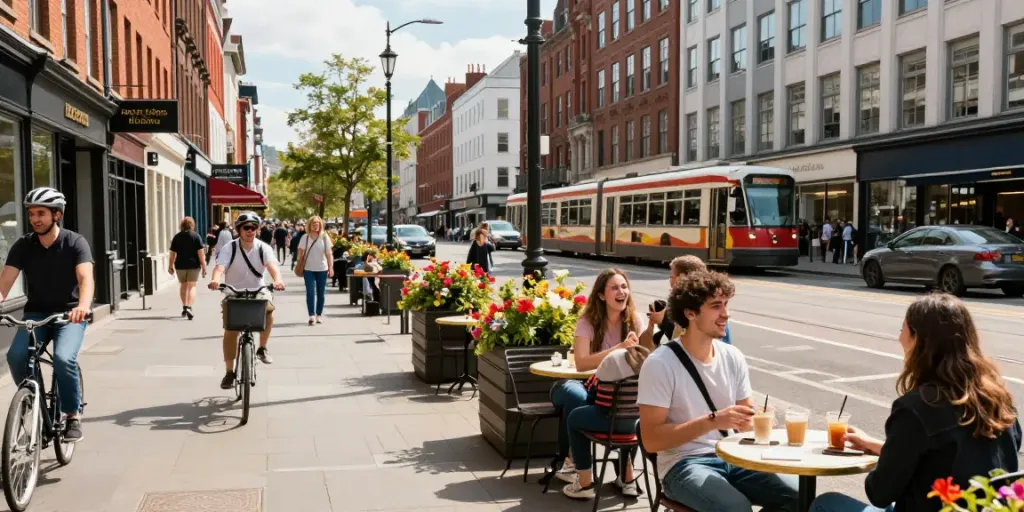
Understanding Urban Mobility Trends
As cities continue to grow and populations increase, urban mobility becomes a pressing issue that demands innovative solutions. Traditional public transit systems, such as buses, are often unable to meet the rising demand for efficient and effective transportation. This has led to a resurgence of interest in streetcars and light rail transit (LRT) systems as viable alternatives. Streetcars offer higher capacity and efficiency, making them a sustainable choice for urban environments. For those looking to delve deeper into these trends, streek.ca provides comprehensive insights on urban transit solutions and their implications for future city planning.
The Rise of Streetcars in Modern Cities
Historically, streetcars were a cornerstone of urban transportation in the late 19th and early 20th centuries. Cities like San Francisco and New Orleans thrived on their streetcar networks. However, the mid-20th century saw a decline in streetcars, primarily due to the rise of the automobile and bus systems. Recently, there has been a shift back towards streetcars as cities recognize their potential to reduce traffic congestion and improve air quality. Cities such as Portland and Toronto have successfully integrated modern streetcar lines into their public transportation systems, showcasing the benefits of these vehicles in urban mobility.
Comparative Analysis: Streetcars vs Buses
When comparing streetcars and buses, several factors come into play: capacity, efficiency, and overall urban integration. Streetcars can typically carry more passengers per trip compared to buses, which helps reduce the number of vehicles needed on the road. Additionally, as streetcars operate on fixed rail lines, they create a predictable transit experience that can enhance scheduling and reduce delays. In contrast, buses are more flexible and can operate on varied routes, making them suitable for areas with less dense populations. However, the long-term efficiency of streetcars often outweighs the initial investment needed for infrastructure, leading to a debate on the best transit model for urban environments.
Future Urban Transit Predictions for 2026
As we look toward 2026, urban transit will likely continue to evolve with technological advancements and increased demand for sustainable solutions. Predictions include the expansion of electrified streetcar systems and enhanced integration with alternative transportation options such as bike-share programs and ride-hailing services. Additionally, cities may prioritize smart transit solutions that utilize data analytics to optimize routes and reduce wait times. This holistic approach could create more resilient urban transit ecosystems that not only serve the immediate needs of residents but also adapt to future challenges.
Designing Effective Public Transit Solutions
Developing effective public transit solutions requires a combination of planning, community engagement, and innovative design. By understanding the unique needs of each urban area, transit systems can be tailored to offer optimal service to residents while promoting sustainability and efficiency.
Key Principles of Urban Transit Design
The key principles of urban transit design include accessibility, reliability, and user experience. Accessibility ensures that transit services are available to all, including individuals with disabilities. Reliability refers to the consistency of service delivery, which is vital for building public trust in transit systems. Finally, enhancing user experience with comfortable and welcoming environments encourages more people to utilize public transit options.
Innovative Features in Modern Streetcars
Modern streetcars are equipped with innovative features that enhance their functionality and appeal. These can include low-floor designs for easier accessibility, real-time tracking systems for improved reliability, and energy-efficient technologies that minimize environmental impact. Furthermore, modern streetcars often incorporate aesthetic elements that improve the urban landscape, making transit a central part of city life rather than a mere necessity.
Case Studies of Successful Urban Transit Implementations
Several cities around the world provide exemplary case studies of successful urban transit implementations. For instance, the Portland Streetcar in Oregon is known for its successful integration into the existing urban fabric, fostering economic development along its routes. Similarly, the Toronto streetcar system has adapted to emerging technologies, including mobile ticketing and real-time service updates, enhancing the overall user experience. These examples illustrate the potential of streetcars to transform urban mobility when effectively designed and managed.
Community Engagement Strategies
Engaging the community is fundamental to the success of any public transit project. By involving residents in the planning process, cities can ensure that transit solutions meet the needs of the populace and gain broader public support.
Building Public Support for Transit Projects
Building public support often involves transparent communication regarding the benefits of new transit systems. This can include outreach efforts that educate citizens on how streetcars can reduce traffic congestion and promote environmental sustainability. Engaging local stakeholders, including businesses and community organizations, can also help build a coalition of support that advocates for transit initiatives.
The Role of Community Feedback in Transit Design
Community feedback can significantly shape transit design. Surveys, public meetings, and workshops allow residents to express their concerns and preferences, which can be invaluable in creating user-friendly transit systems. Incorporating this feedback not only enhances the design but also fosters a sense of ownership and responsibility among residents, encouraging them to utilize and support the transit system.
Collaboration Between Officials and Citizens
Collaboration between officials and citizens is essential for successful transit projects. Open lines of communication can facilitate ongoing dialogue that addresses concerns and promotes effective decision-making. Furthermore, involving citizens in the monitoring and evaluation of transit systems can lead to continuous improvements and adaptations that enhance service quality.
Challenges in Urban Transit Development
Despite the benefits of developing modern transit systems, several challenges must be navigated to ensure successful implementation. These challenges can range from financial constraints to technical obstacles.
Funding and Budget Constraints
Funding remains one of the most significant challenges in urban transit development. Many cities struggle to allocate sufficient budgets for transit projects, often leading to delays or scaled-back plans. Innovative financing options, such as public-private partnerships, are increasingly being explored to bridge funding gaps and ensure that transit projects can move forward effectively.
Addressing Environmental Concerns
Environmental sustainability is a crucial consideration in urban transit development. As cities aim to reduce their carbon footprints, transit systems must be designed to prioritize eco-friendly technologies. Integrating green initiatives, such as electric streetcars and energy-efficient infrastructure, can help address these concerns while promoting a sustainable urban environment.
Navigating Technical and Logistical Issues
Technical and logistical issues, such as outdated infrastructure and integration with existing transit systems, can pose significant challenges. Comprehensive planning and research are essential to identify potential pitfalls before they arise. Employing cutting-edge technologies and methodologies can mitigate these challenges, ensuring that transit systems operate smoothly from the outset.
Future of Public Transit: Insights and Predictions
The future of public transit holds exciting possibilities as innovations continue to shape the industry. With an increasing focus on sustainability and efficiency, the next decade is poised to revolutionize how we think about urban mobility.
Emerging Technologies in Public Transit
Emerging technologies, such as autonomous vehicles and artificial intelligence, are set to transform public transit. These technologies can improve efficiency and reduce costs, allowing for more responsive and tailored transit solutions. Additionally, advancements in data analytics will enable transit authorities to optimize routes and schedules based on real-time user demand.
Shaping a Sustainable Urban Transit Future
Shaping a sustainable urban transit future will require collaboration between governments, private sector companies, and communities. Policies that prioritize public transportation infrastructure investments, alongside incentives for sustainable practices, will be essential in fostering an environment where transit can thrive.
Expert Opinions on Trends to Watch in 2026
Experts predict that by 2026, urban transit will become increasingly interconnected, with seamless transitions between different modes of transportation. This could involve integrating streetcars with bike-share programs, electric scooters, and pedestrian pathways to create a comprehensive urban mobility ecosystem. Additionally, sustainability initiatives, such as carbon-neutral public transit systems, are expected to gain traction as cities strive to meet climate goals.
What are the benefits of public transit?
Public transit offers numerous benefits, including reduced traffic congestion, lower emissions, and increased accessibility. It provides a cost-effective transportation option for many individuals and promotes social equity by connecting underserved communities with essential services.
How does public transportation impact urban planning?
Public transportation significantly influences urban planning by determining land use patterns and density. Well-planned transit systems can promote sustainable development by encouraging higher-density construction along transit corridors, thereby reducing urban sprawl and preserving green spaces.
What are the economic benefits of investing in streetcars?
Investing in streetcars can lead to substantial economic benefits, including increased property values along transit routes, greater business revenues, and job creation through construction and ongoing operations. Additionally, public transit investments often yield a high return on investment by stimulating local economies and enhancing the overall quality of life for residents.